In-die tapping is a method of forming threads in a pressed sheet part without the part ever leaving the die. This article covers the working principle, the difference from classic tapping and the advantages it brings.

What is in-die tapping?
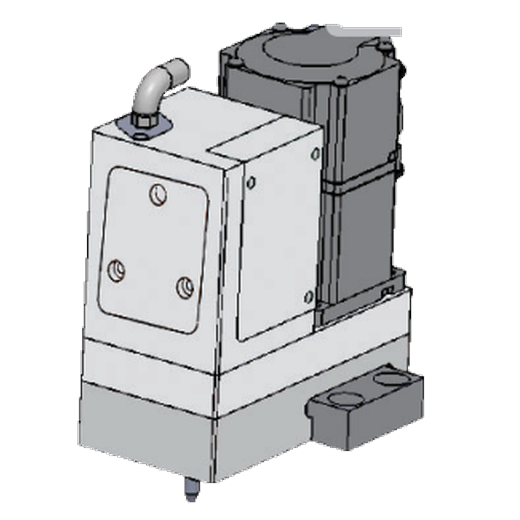
In traditional production the sheet part is first cut and formed in the press, then tapped on a separate machine. In-die tapping removes that second step: the tapping unit is integrated directly into the die and the part is finished in the press.
How does it work?
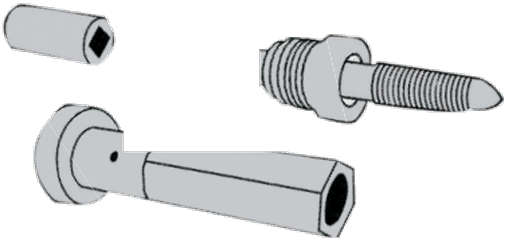
The servo-driven unit runs independently of the press stroke. When the press positions the part, the unit engages and forms the thread with a roll tap. The whole cycle consists of a few electronically controlled steps:
- Synchronization with the press (up to 32 SPM)
- The servo motor controlling every thread pitch
- Thread verification via a sensor signal
- The tap retracting faster than it advanced
Difference from the classic method
In classic tapping the part leaves the press, is handled, repositioned on a second machine and tapped. Every extra clamping means time and a risk of positioning error. In in-die tapping the part never moves; position accuracy is guaranteed by the die.
Key advantages
A single operation; less labor, less handling and zero secondary machine. Because the roll tap produces no chips, in-die use is safe and the threads are stronger. Sensor verification keeps defective parts off the line.
In short
In-die tapping moves tapping into the press and reduces production to one step. The AR340, AR560 and AR810 units deliver this for the M3–M10 range.